Wet-weather and performance tyres for Brisbane
Performance rubber that looks the part on a dry Saturday can be a liability in a January storm. How to choose a tyre that still works when the Riverside Expressway turns into a river.
3 February 2025 · Updated 11 August 2026 · 7 min read · Brisbane Tyres desk

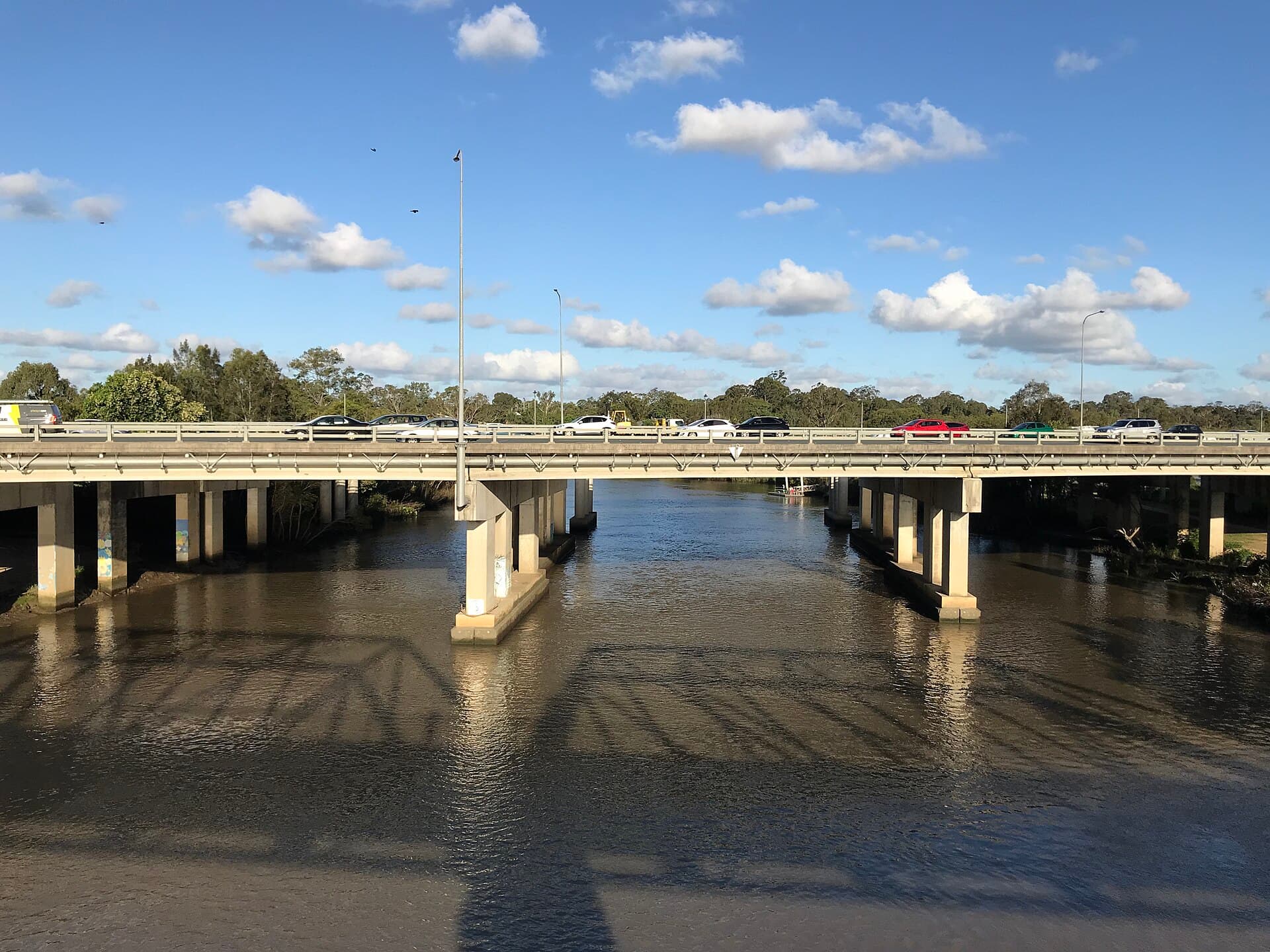
Photo: www.Pixel.la Free Stock Photos, via Flickr. Licensed CC0 1.0. Source and licence. See also the image credits page.

Brisbane does not do polite rain. It does a sky that turns black over Moreton Bay, a ten-minute curtain of water, and a road surface that was 60 degrees an hour earlier. The first cars through that water are not testing a tyre. They are hoping the grooves still have a job.
The old car tyres page on this site talked about performance brands as if they were jewellery for a convertible. Some of them are. BFGoodrich, Bridgestone, Dunlop, Goodyear, Michelin, Pirelli and Yokohama still fill Queensland sheds for a reason. The reason is not that every one of them is the wet-weather answer for a 2014 Camry on the Centenary.
What “performance” actually changes
A performance tyre is usually a softer compound, a squarer shoulder and a tread pattern that puts more rubber on a dry road. That is excellent at Lakeside if you have a track day. It is a compromise on Gympie Road at 7am in March. Softer compounds wear faster in Queensland heat. Shallower grooves reach the legal 1.5 millimetre limit sooner. Wide, low-profile performance sizes also aquaplane earlier because they cannot shift the same volume of water.
If you bought the car for the way it looks, be honest about that. Then budget for a second, saner set if you do wet kilometres. Most Brisbane drivers should not. They should buy one set that is good enough in the dry and trustworthy in the wet, and they should replace it before the wet season rather than after the first scare.
Grooves, sipes and the story water tells
Wide circumferential grooves move volume. Sipes — the little slits in the blocks — bite a wet film. A worn touring tyre with 2 millimetres left can look fine in a carpark and still be a passenger on the Inner City Bypass. Tread depth is not a vanity measurement. It is how much space the water has to go.
Aquaplaning on flooded Queensland roads is its own essay. The short version: speed, water depth and remaining groove volume decide whether the car is steering or floating. A performance tyre with a pretty directional pattern is not magic if you are doing 90 through a lake under the Story Bridge.
Heat is the other half of the weather
A Brisbane summer cooks a black tyre in a west-facing street in Paddington. Pressure rises. Soft performance compounds get softer. That can feel “grippy” until the shoulder chunks or the wear goes triangular. Check pressures in the morning. Our heatwave pressure guide is the companion to this one.
If you run low-profile performance sizes, you are also running less sidewall to hide a pothole. After a storm the bitumen moves. Potholes, heat and premature wear is not a separate hobby. It is the same climate.
How to shop without a European label
Australia does not put a simple wet-grip letter on every passenger tyre the way Europe does. You will see UTQG numbers on some imports — traction A, temperature A — which are American lab marks, not a Brisbane road test. Treat them as a coarse filter. Then look at:
- groove volume and a pattern that is not a slick with two cuts
- a load index that matches the car, especially on SUVs
- a brand that publishes a wet-braking claim in your size
- a noise and wear story you can live with for 40,000 kilometres of commuting
A mid-range Hankook, Continental, Falken or Michelin touring tyre will beat a bargain performance tyre in a January storm more often than the badge suggests. That is the cheap tyres versus false economy argument in wet-weather clothes.
Performance that still belongs here
There is a case for proper performance rubber in Brisbane. Some drivers do the mountain runs. Some own cars that feel dangerous on a touring tyre because the chassis was set up for a low sidewall. If that is you, buy the performance tyre that still has a wet rating you can find, keep the tread above 3 millimetres in storm season, and do not mix a new rear pair with bald fronts. Mixing tyres is how a “I only replaced the cheap ones” story ends.
The old site listed Sava, Fulda, Maxxis and Bob Jane house names alongside the prestige badges. The market is still that mixed. A house-brand all-rounder with honest grooves can be the grown-up choice. A prestige summer tyre bought because the side lettering is the same colour as the brake calipers is a Saturday decision. Live with it on Monday when the sky opens.
If you only read one number before you buy, make it remaining groove depth on the set you already have. If you are already under 3 millimetres and storm season is coming, you are not shopping for prestige. You are shopping for a way home.
A Brisbane week that sorts a tyre
Monday is dry and 31 degrees. The car has sat in a west-facing street in West End and the tyre is already warm at 8am. Tuesday is a coastal shower that never quite arrives. Wednesday is the storm: a warning on the phone, a sky the colour of wet slate, and the Riverside Expressway with a film you can see from the next lane. Thursday is steam coming off the bitumen and a pothole that was not there on Monday. Friday is the school run and a painted crossing that is still slick.
A performance tyre that only works on Monday is a weekend tyre. A touring tyre that still has groove at Wednesday tea-time is a Brisbane tyre. If you do that week on 2 millimetres, you are not unlucky. You are late.
How shops talk about wet grip when there is no letter
Ask for a comparison in your size against a known touring tyre, not against a slick. Ask whether the pattern is directional. Ask what happens to the wet story at 4 millimetres, because that is where a lot of local sets live for a year. If the answer is a shrug and a brand flag, you are buying hope.
Take a look at the tread in the bay. Deep, open grooves and real sipes are not a guarantee. Their absence is a warning. A “summer UHP” tyre with tiny channels is a dry-day instrument. It can still be the right instrument if you also own a civil set. Most people do not.
After you buy
The first wet drive is the review. Not a magazine. A known ramp, a known roundabout, a speed you already understand. If the front washes earlier than the set you just replaced, do not wait for a scare on the Gateway. Go back and talk. A good fitter would rather swap a wrong recommendation than meet you in a claims argument.
Keep the pressures honest through the first heatwave. A new performance tyre run 8 psi under in January will wear a shoulder that then aquaplanes. The wet story and the summer story are the same tyre.
Related reading on this desk
If you are still on the fence between a bargain and a mid-range touring pattern, read cheap tyres versus false economy and when a mid-range tyre is the better buy. If the car is a 4WD that only sees dirt four times a year, do not let a mud pattern become your storm-season plan — that is the hinterland essay.
Frequently asked
- Do I need a dedicated wet-weather tyre in Brisbane?
- You need a tyre with a wet-braking story you can trust. A dedicated winter tyre is the wrong tool. A quality all-season or touring tyre with decent siping is usually the right one.
- Are performance tyres bad in the rain?
- Many summer performance tyres trade water evacuation for dry grip. On a 40-degree day they can be superb. In a subtropical downpour they can skate.
- What should I ask the fitter?
- Ask for wet-braking comparisons in the size you actually run, not a brochure about a different width.
More from Car Tyres
Quiet touring tyres for Brisbane commutes
The Gateway and the ICB will tell you if you bought a cheap, noisy carcass. How to shop for touring rubber that stays civil after 6am and still works in the wet.
8 April 2025
Load index and speed ratings explained
91V is not a trim level. It is the carrying capacity and the speed the carcass was built for. How to read those two characters before a special makes them disappear.
21 March 2025
Run-flat versus conventional tyres
Run-flats promise a limp home without a spare. They also ride harder, cost more and leave you stranded in a different way. A clear-eyed comparison for Brisbane drivers.
4 March 2025