Alignment, rotation and balancing
The 2007 maintenance list still stands: rotate on a pattern, balance the shake out, and fix the alignment before you blame the brand.
14 February 2025 · Updated 29 July 2026 · 8 min read · Brisbane Tyres desk

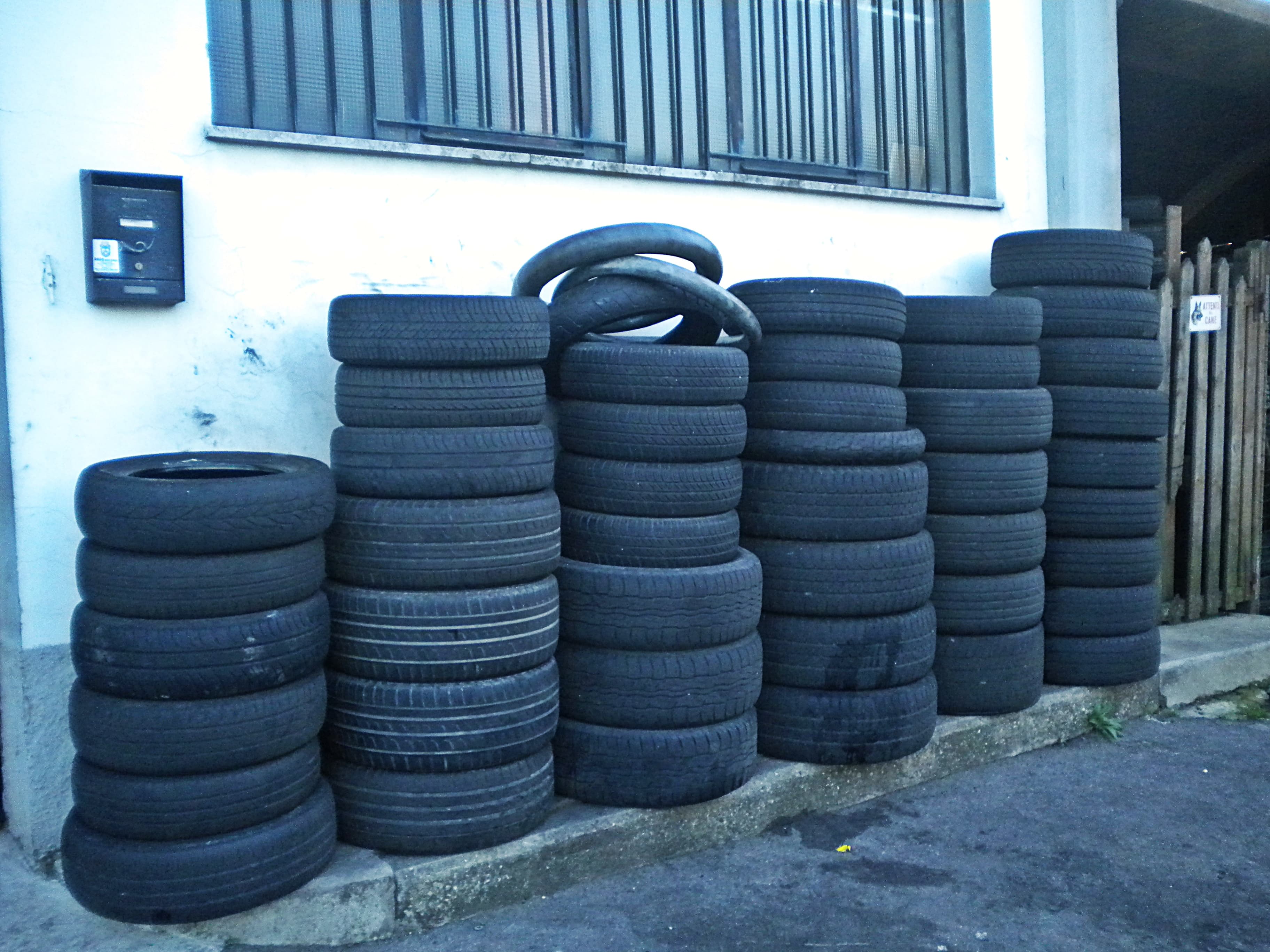
Photo: Crcjfly. Licensed CC BY-SA 3.0. Source and licence. See also the image credits page.

The old car tyres page kept a maintenance list that would still pass a trade test. Uniform tread patterns. Cold pressures. No mixing constructions. Rotate after a few thousand kilometres. Balance. Align. The language was chatty. The physics was correct.
This is the care and safety version of that list, written for cars that now have more electronics and the same four contact patches.
Rotation is how a set dies together
Cars wear the driven end and the steered end differently. Front-drive commuters eat inner fronts if the alignment is off and outer fronts if people kerb a lot. A rotation moves the wear around so you replace a set, not a panic pair. The old diagonal rule — front right to rear left — still works on many non-directional sets. Directional tyres cannot do that. They rotate front to back on the same side. Asymmetric tyres keep the outside out. If you do not know which you have, read the sidewall arrow. How to read a sidewall is not optional here.
Every 8,000 to 10,000 kilometres is a sane modern interval. The old 5,000 kilometre mark was conservative and not wrong if you do short, hot, inner-city trips. Pair rotation with a pressure check and a look for nails.
Balance is how a shake becomes a bill
A weight falls off. A rim takes a pothole. A tyre picks up a flat spot from a locked park brake on a steep Paddington street. At 100 km/h the steering wheel shivers. People buy new tyres. Sometimes they needed a $30 weight and a rim check. A shop with a road-force balancer will tell you if the tyre is the problem. Ask for that if a simple spin-balance has already failed you twice.
Alignment is how a brand gets a bad name
Inner-edge wear is the Brisbane special after a pothole week. The car pulls, the wheel sits off-centre, the new tyre inherits the crime. Get a printout. Camber, caster, toe — you do not need to love the words. You need to see them in spec. If a shop cannot print, they cannot show their work.
After any kerb you felt in your teeth, after a new set, after a steering component, align. It is cheaper than the myth that “Kumho wears fast”.
Do these three things and most cheap versus mid-range arguments get quieter. The tyre you have is often enough. The geometry was not.
A longer look at the same job
The short version of Alignment, rotation and balancing is the part you will remember in a fitting bay. The longer version is how that advice survives a Brisbane year: heat in January, a storm in February, a pothole week in March, a highway run at Easter, and a fitter who is busy on a Friday. This desk exists so the longer version still has somewhere to live.
Start with the car you have, not the car in the brochure. Read the door placard. Photograph both sidewalls. Write the pressures down. If you tow, if you run a roof box, if the car is a hybrid with a heavy nose, say those things out loud before anyone quotes a special. A special that ignores load is not a special. It is leftover stock.
How this sits with the rest of the archive
Nothing on Brisbane Tyres is meant to be a lone pamphlet. The car tyres hub still opens the same door the 2007 site opened. Motorcycle tyres still warn you to match front and rear. Tyre suppliers still tell you to test knowledge. Cheap tyres still tell you not to panic-pay, and not to confuse a bargain with a carcass. Care and safety is the weekly habit. Queensland roads is the climate. History is why the brands on a quote have grandparents.
If you are reading this article because a quote confused you, take questions to ask before you buy and how to compare tyre quotes into the bay. If you are reading it because a tyre already failed, take punctures and when to replace. If you are reading it because the sky has gone black, take wet-weather and aquaplaning.
Local details that do not fit a national brochure
Coarse chip-seal on suburban arterials roars a pattern that was quiet on a European press loop. Concrete on the Gateway drones a budget block. Painted crossings after a first rain are ice. A west-facing brick wall in Woolloongabba is an oven. A flooded dip on a hinterland road is not a place to test remaining groove. These are not colourful asides. They are the test conditions.
A fitter who has only worked in a climate-controlled warehouse will still mount a tyre correctly. A fitter who has seen a January week in this city will also ask about the spare, the alignment and the storm. Prefer the second person. Pay them.
What we will not tell you
We will not crown a single “best tyre in Brisbane”. We will not pretend a house brand is secretly a flagship. We will not tell you to ignore the placard because a forum likes a plus-size look. We will not tell you a string plug is a career. We will not tell you a ten-year-old tyre is fine because it has tread. Those sentences sell well. They fail on the road.
We will tell you to measure, to write dates down, to buy the load index you need, and to replace a wet-season tyre before the legal minimum makes the decision. That is a dull kind of editorial courage. It is also the only kind that belongs on a site that started as information on all the different tyres in the market.
A closing habit
Once a month, on a morning the car has sat, check pressures, look at inner shoulders, look for nails, look at the week code if you still do not know it. Once a season, before the first proper storm, measure tread. Once a year, get an alignment printout if the car has hit anything it felt. Those three loops will save more money than a coupon.
If something on this page is wrong for your vehicle, write to the contact desk and name the article. We correct dates and we correct advice. The old site was chatty. We kept the chat and added the duty of care.
A worked example from a ordinary Saturday
Imagine a 2016 medium SUV in Coopers Plains, door placard 225/65R17 102H, two school seats, a dog, a weekend bag. The fronts are feathered inside. The rears have 4 millimetres. A chain has a $99 special in 225/65R17 98H. A local independent has a mid-range 102H for $40 more a corner and will align the car the same morning. The cheap special is not cheaper. It is a lower load index on a car that already lives full, and it will inherit a bent alignment. The independent is the grown-up quote.
Now change one fact: the car is a third car that does 2,000 kilometres a year to a boat ramp in the dry. The cheap special, if the date is fresh and the fitter will still write an invoice, can be the right rung. The article you are reading is how to tell those two Saturdays apart. The facts change. The method does not.
If you want a second human to look at a quote, that is what the write for us and contact pages are for — not to sell you a tyre, to tell you whether the sentence on the invoice is complete. Completeness is the product this publication actually sells.
Frequently asked
- How often should I rotate?
- Every 8,000 to 10,000 kilometres is a modern habit. The old site said 5,000 and a diagonal swap. Check whether your tyres are directional first.
- Why does the steering shudder at 100?
- Often a balance or a flat spot. Sometimes a bent rim after a pothole. Rarely 'just the road'.
- Do I need alignment after new tyres?
- If the old ones wore unevenly, yes. New tyres on a crooked rack are a short story.
More from Care and Safety
Mixing tyres and why it matters
The 2007 site said not to mix constructions or tread patterns. Modern cars, ESC and AWD have made that sentence stricter, not looser.
27 April 2025
Punctures, plugs and when to bin a tyre
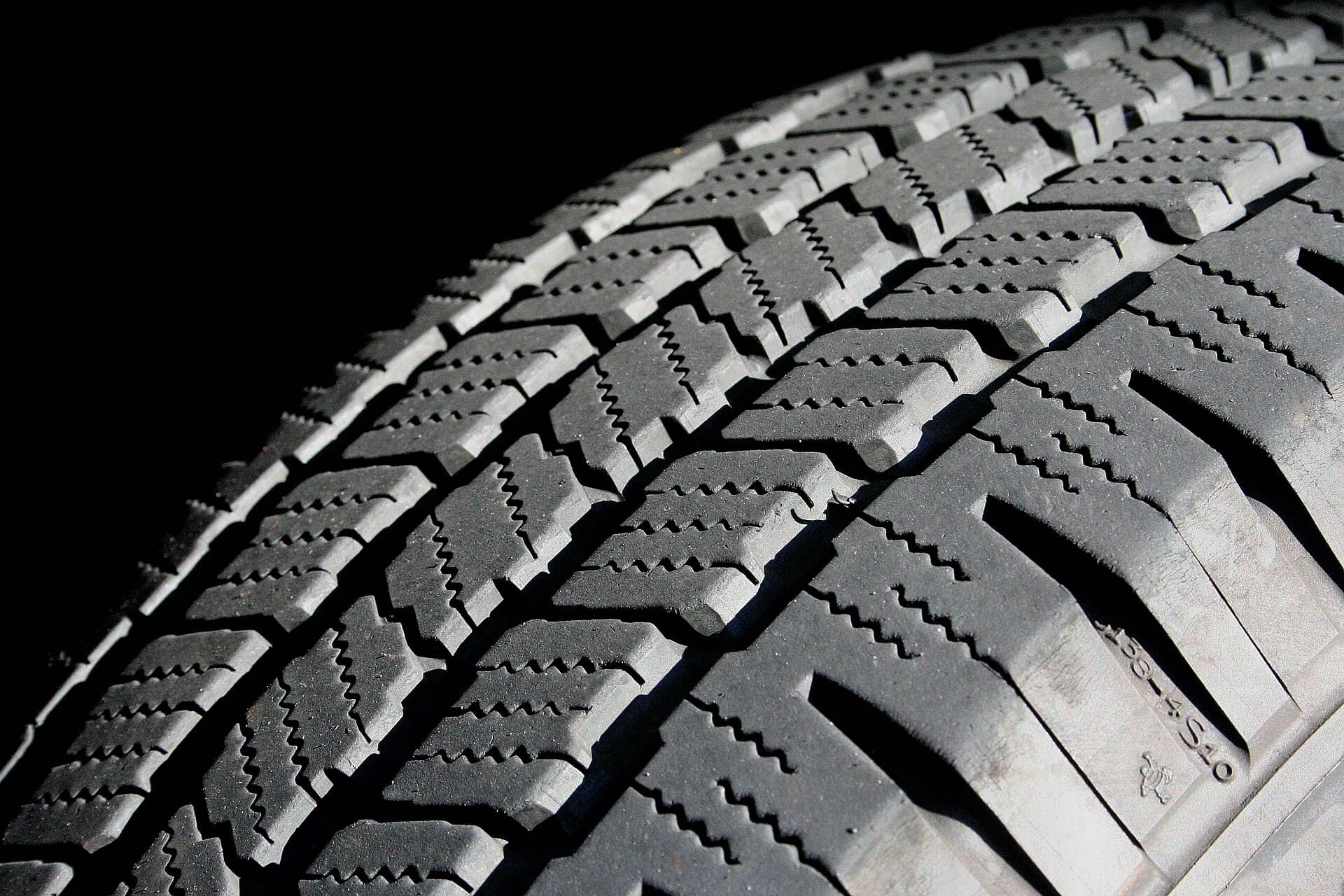
A nail in the middle of the tread is a repair. A gash in the sidewall is a funeral. The line Queensland drivers keep negotiating at the side of the road.
4 April 2025

Tyre pressure after a Brisbane heatwave
Hot bitumen raises the number on the gauge. That does not mean you should let air out at a servo at 2pm. A summer pressure habit for SEQ.
8 March 2025